Every winter, over 200 Americans die from carbon monoxide poisoning caused by problems in their home heating systems and chimneys. The U.S. Consumer Product Safety Commission estimates the actual toll, including unreported and misdiagnosed cases, could be as high as 4,000 deaths per year. On top of that, roughly 10,000 carbon monoxide-related injuries are reported annually.
The most chilling part of that statistic is not the number. It’s the reason: most of these deaths are entirely preventable.
Carbon monoxide is produced every time fuel burns in your home, in your fireplace, furnace, gas appliance, or wood stove. Under normal conditions, your chimney vents those combustion gases safely outside. But when the chimney is blocked, cracked, improperly maintained, or simply hasn’t been inspected in years, those gases have nowhere to go except back into your living space. The result is a slow, invisible accumulation of a gas that gives no warning before it causes permanent harm.
This guide explains how your chimney is connected to carbon monoxide risk, what causes CO to enter your home, how to recognize the early signs of poisoning, and what every homeowner needs to do to stay safe.
Key Takeaways
- Carbon monoxide is colorless, odorless, and tasteless, with no physical warning before dangerous levels.
- A working chimney vents CO outside; a blocked, cracked, or backdrafting chimney sends it back inside.
- Early symptoms mimic the flu, and they improve when you leave the home and return when you come back.
- A CO detector is your last line of defense, not a substitute for annual chimney inspection.
- The five common chimney conditions behind CO risk are all detectable in a professional inspection.
What Is Carbon Monoxide, and Why Is It So Dangerous?
Carbon monoxide (CO) is a colorless, odorless, tasteless gas produced as a byproduct of incomplete combustion. It forms whenever a carbon-based fuel such as wood, natural gas, oil, or propane burns without sufficient oxygen. You cannot see it, smell it, or taste it. There is no physical warning before it reaches dangerous concentrations.
When carbon monoxide is inhaled, it binds to hemoglobin in the bloodstream, the protein responsible for carrying oxygen to organs and tissues, with an affinity roughly 200 times greater than oxygen itself. The result is that CO effectively displaces oxygen in the blood, starving the brain, heart, and other vital organs. At low concentrations, this causes symptoms that mimic the flu. At high concentrations, it causes rapid loss of consciousness and death.
The reason carbon monoxide earns the name “silent killer” is not just that it is invisible. It is that its early symptoms, such as headache, fatigue, nausea, and dizziness, are so easily mistaken for something harmless that many victims do not recognize what is happening until exposure has already caused serious damage.
Low-Level Exposure Is More Common Than Most Homeowners Realize
Acute carbon monoxide poisoning, the kind that makes the news, is far less common than chronic low-level exposure. Many homeowners with a slow CO leak from a compromised chimney system experience persistent headaches, chronic fatigue, unexplained nausea, and mental fogginess throughout the heating season without ever connecting those symptoms to their chimney. The CSIA notes that infants, the elderly, and people with anemia or heart disease are disproportionately affected by low-level CO exposure, often suffering permanent organ and brain damage before poisoning is ever diagnosed.
If your household regularly experiences flu-like symptoms that improve when you leave the home and return when you come back, take that pattern seriously. It is one of the clearest indicators of chronic CO exposure in the living space.
How Your Chimney Produces Carbon Monoxide Risk
A properly functioning chimney creates a draft, an upward airflow produced by the difference in temperature between the hot combustion gases inside the flue and the cooler outside air. That draft carries carbon monoxide, smoke, and other combustion byproducts out of the home before they can accumulate. When anything disrupts that draft, CO has a pathway into your living space.
The four most common chimney-related causes of CO intrusion are flue blockages, cracked or deteriorated liners, negative air pressure (backdrafting), and improper chimney sizing.
Flue Blockages
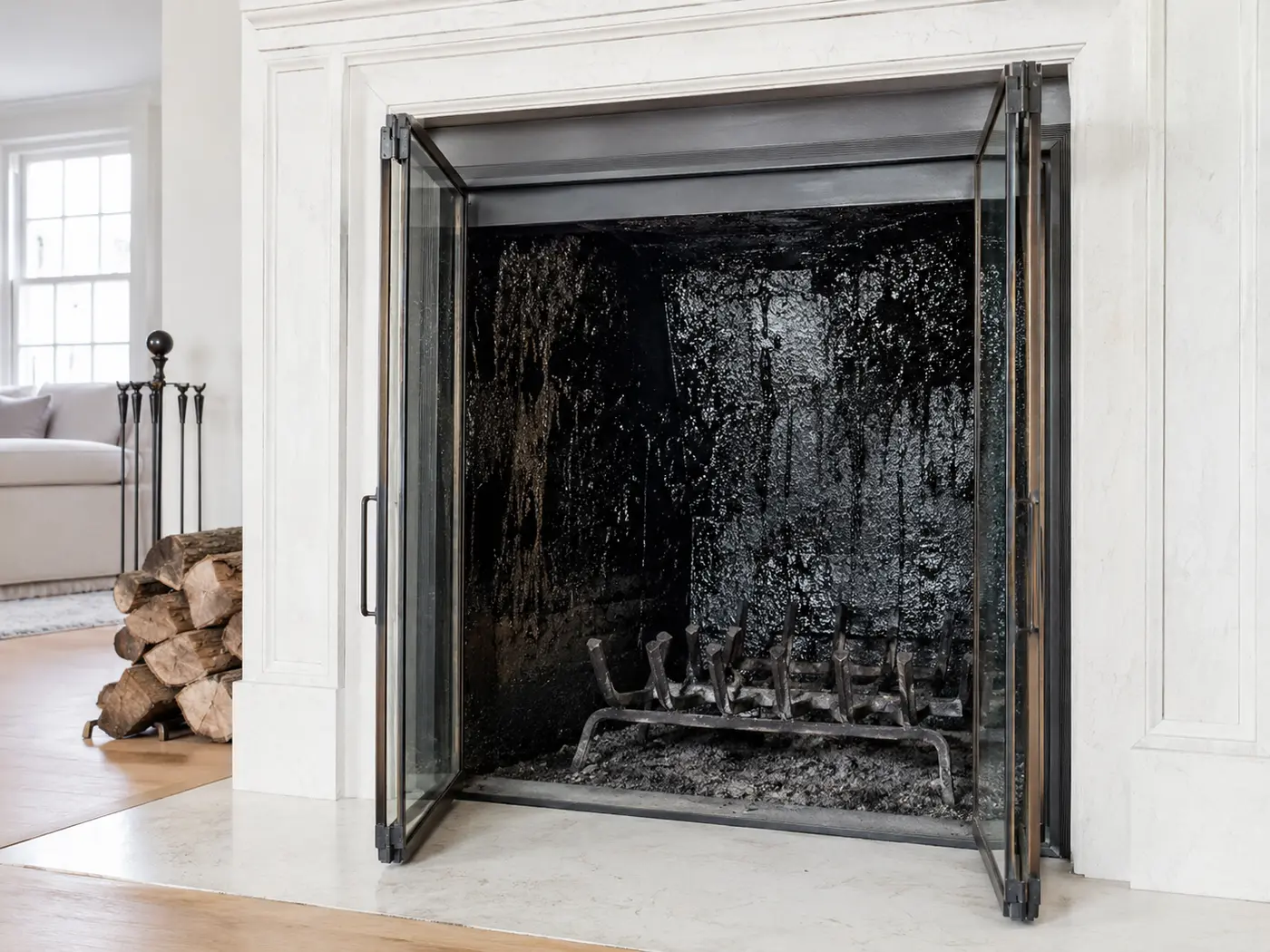
A blocked flue is the most direct cause of CO entering the home. Blockages can be caused by creosote deposits that have narrowed the flue opening to the point where combustion gases cannot pass freely, animal and bird nests built inside the chimney, particularly in homes without a chimney cap, fallen masonry debris inside older or deteriorating chimneys, and leaves or outside debris entering an uncapped flue.
In Northeast Ohio, chimney swifts, starlings, and squirrels are common flue intruders during spring and early summer. A nest built in March can go undetected until the first fire of the heating season in October, at which point the blockage can cause immediate CO backdraft into the home.
Cracked or Deteriorated Flue Liners
The flue liner, whether clay tile, stainless steel, or cast-in-place, is the critical barrier between the combustion gases traveling up your chimney and the combustible wooden framing of your home. It serves a dual purpose: containing heat to prevent structural fires and containing gases to prevent them from seeping through the masonry into living areas.
When a cracked flue liner develops, whether from thermal cycling, freeze-thaw expansion, chimney fire damage, or simple age, that barrier is compromised. Carbon monoxide can seep through the cracks and into wall cavities, then migrate into the living space without ever entering the firebox opening visibly. This type of CO intrusion is among the most difficult to detect without a professional camera inspection of the flue interior, because no amount of visual inspection from the fireplace opening will reveal a crack in the middle sections of the liner.
Ohio’s freeze-thaw cycles, with temperatures crossing the 32°F threshold repeatedly throughout winter, accelerate clay tile liner deterioration faster than in more temperate climates, making liner inspection an especially important priority for Northeast Ohio homeowners.
Backdrafting from Negative Air Pressure
Modern energy-efficient homes are well-sealed, which is great for heating bills but creates a serious chimney safety risk called backdrafting. In a tightly sealed home, exhaust fans, dryer vents, bathroom ventilation, and kitchen range hoods all pull air out of the house simultaneously. If insufficient fresh air is available to replace that extracted air, the home develops negative air pressure. That negative pressure pulls air, and combustion gases, back down the chimney flue and into the living space instead of allowing them to vent out.
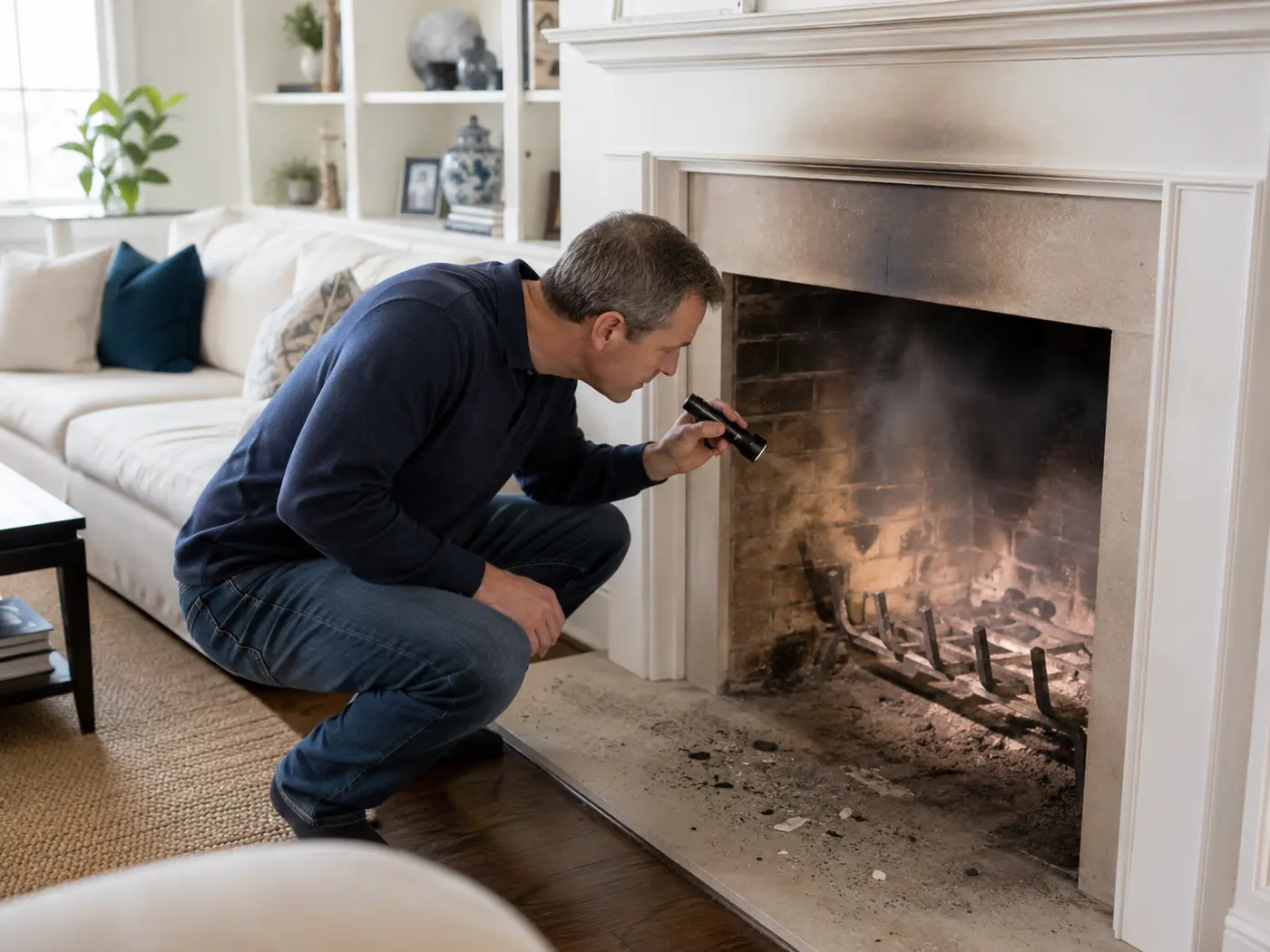
Backdrafting can occur even with a perfectly clean, undamaged chimney. It is a structural ventilation problem, and it causes the same result as a blocked flue: CO and other combustion byproducts entering the home. Signs of backdrafting include smoke rolling back into the room when a fire is burning, a persistent smoky odor in the home, and visible soot staining around the fireplace opening.
Improperly Sized or Undersized Flue
A flue that is too small for the heating appliance it serves cannot handle the volume of combustion gases produced, causing spillage into the living space. This is a common problem when homeowners replace an older furnace with a high-efficiency model without updating the chimney. High-efficiency gas appliances produce cooler, lower-volume exhaust that does not create sufficient draft in a flue sized for the larger heat output of an older system. The result is a flue that persistently spills CO and combustion gases into the home under normal operating conditions.
Symptoms of Carbon Monoxide Poisoning: What to Watch For
Carbon monoxide poisoning presents differently depending on the concentration and duration of exposure. Knowing the symptom progression can be the difference between getting out safely and suffering permanent harm.
- Persistent headache (pressure across the forehead)
- Unusual fatigue or weakness
- Mild nausea
- Mild dizziness
- Throbbing headache
- Pronounced dizziness
- Confusion, trouble concentrating
- Shortness of breath on mild exertion
- Nausea with possible vomiting
- Severe disorientation
- Extreme weakness
- Loss of muscle control
- Loss of consciousness
- Without intervention, death
At low levels, these symptoms are regularly dismissed as the common cold, seasonal fatigue, or dehydration, especially in winter when respiratory illness is already prevalent. At high levels, the progression is rapid and, without intervention, fatal.
Do You Have a Carbon Monoxide Detector? Here Is What You Need to Know
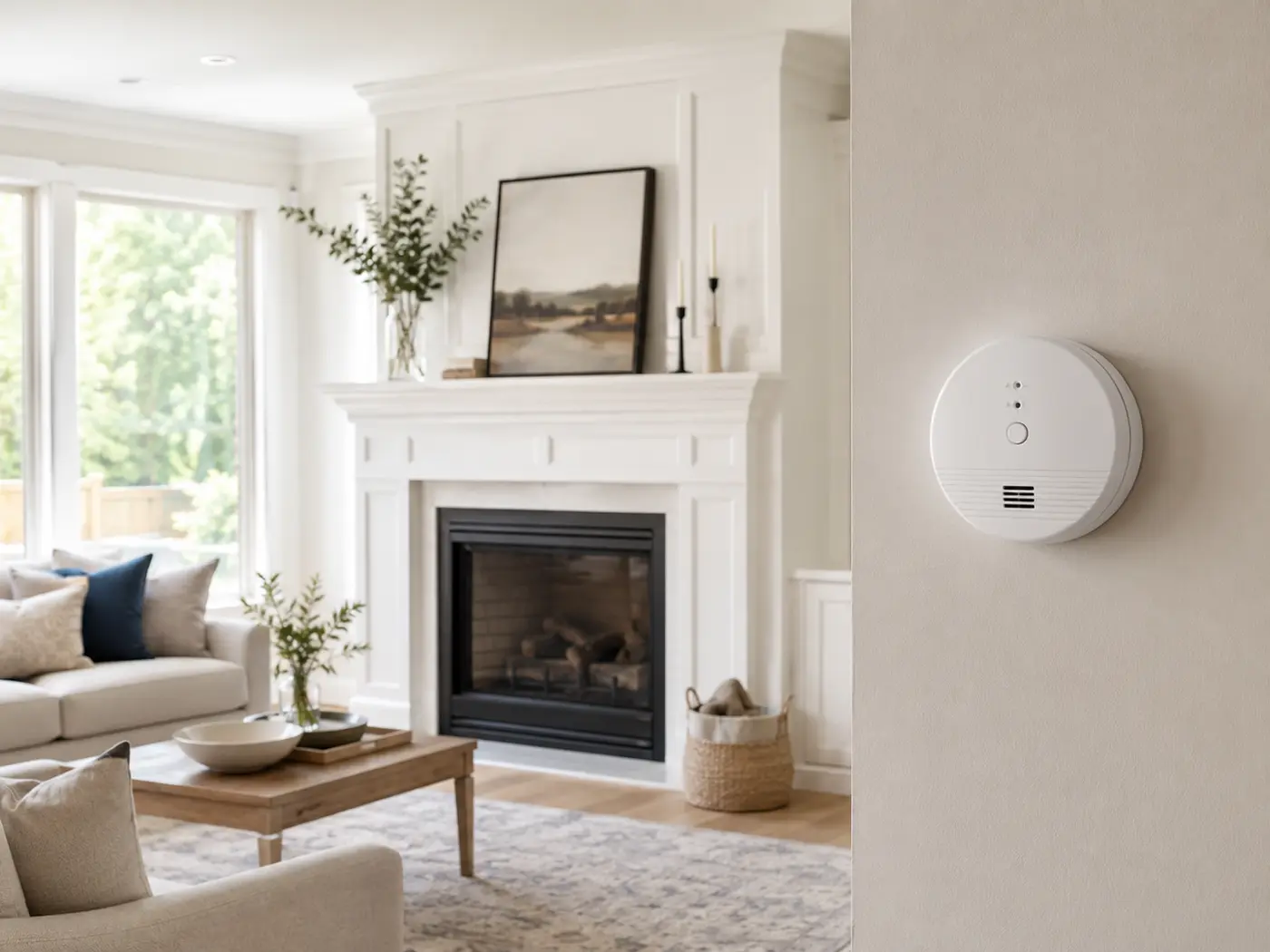
A carbon monoxide detector is your last line of defense, not your first. A properly installed and maintained CO detector will alert you before concentrations reach acutely dangerous levels, but it will not detect the slow low-level seepage that causes chronic exposure symptoms. It is a critical safety device, but it does not eliminate the need for annual chimney inspection and maintenance.
The CSIA and fire safety organizations recommend installing CO detectors on every level of the home, including the basement, and within 15 feet of every sleeping area. Detectors should be tested monthly and replaced every five to seven years; the electrochemical sensors inside degrade over time and lose sensitivity before the device otherwise appears to fail.
Do not place a CO detector directly above a fireplace, stove, or other combustion appliance. Small amounts of CO produced during normal appliance startup can trigger nuisance alarms. Place detectors in adjacent hallways or rooms where longer-term accumulation, the actual danger, will be detected.
The 5 Chimney Conditions That Create Carbon Monoxide Risk
To summarize the risk factors covered above, here are the five specific chimney conditions that most commonly allow CO to enter the home:
- A flue blocked by creosote, nesting, or debris prevents combustion gases from exiting and forces them back into the living space.
- A cracked or deteriorated clay tile liner lets CO seep through chimney masonry into wall cavities and living areas with no visible indication.
- A missing or damaged chimney cap allows animals and debris to block the flue undetected over months or years.
- Backdrafting from negative air pressure in a tightly sealed home reverses the chimney draft and pulls combustion gases indoors.
- An undersized flue on a high-efficiency appliance generates insufficient draft to carry the full volume of combustion gases out of the home.
All five of these conditions are detectable with an annual professional chimney inspection. None of them are visible to a homeowner during routine use of the fireplace.
Start the heating season knowing your chimney is safe
Our CSIA-certified technicians camera-scan the flue interior to find the cracked liners and hidden blockages a homeowner cannot see. Schedule your inspection before the first fire.
How to Protect Your Home from Chimney-Related Carbon Monoxide
The steps that protect your home from chimney-related CO are the same steps that protect it from chimney fires, structural damage, and every other chimney hazard. They are not complicated, and they are far less expensive than the consequences of neglect.
Schedule an Annual Chimney Inspection
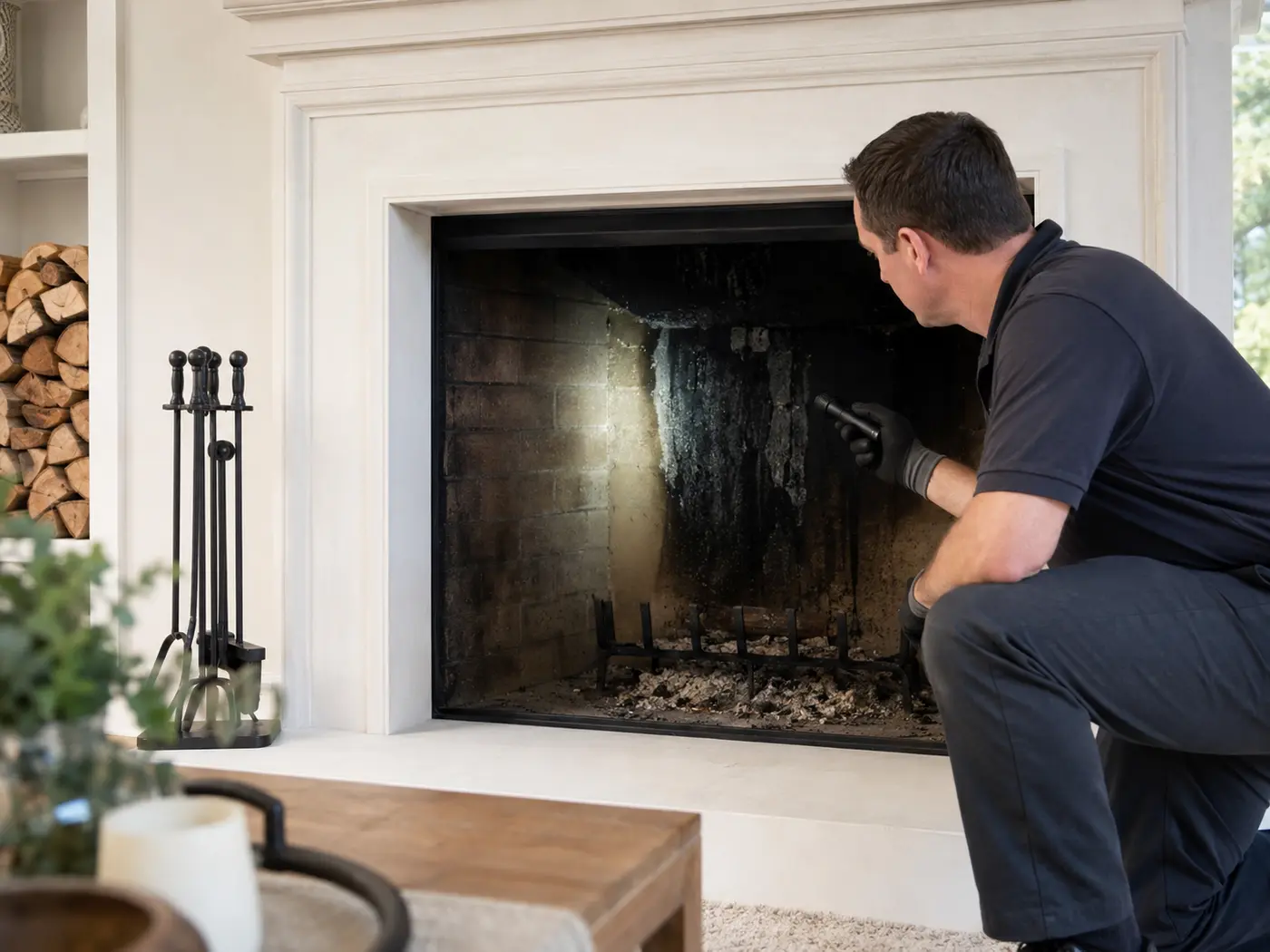
The CSIA, NFPA, and U.S. Consumer Product Safety Commission all identify annual chimney inspection as the single most effective preventive measure against carbon monoxide poisoning from heating systems. A Level 1 or Level 2 inspection by a CSIA-certified technician includes a camera scan of the flue interior that identifies cracked liners, blockages, deteriorated mortar, and other conditions invisible from the firebox opening. You receive a written report with photos documenting every finding, so you know exactly what condition your chimney is in before lighting the first fire of the season. See NFPA 211 for the national standard.
Install and Maintain a Chimney Cap
A stainless steel chimney cap prevents animals, birds, leaves, and debris from entering the flue during the off-season. It is the single most cost-effective structural protection available for a chimney system, a $150 to $300 investment that prevents blockages worth far more in potential damage and risk.
Never Close the Damper Until the Fire Is Completely Cold
A common and dangerous habit is closing the fireplace damper while embers are still warm to prevent cold air from entering the home. Even a small amount of residual combustion from dying embers produces carbon monoxide. With the damper closed, that CO has no exit. Always allow a fire to burn completely out and ensure the firebox is cold to the touch before closing the damper.
Know the Symptoms and Take Them Seriously
Post the symptoms of carbon monoxide poisoning somewhere in your home where family members can see them. If multiple people in your household experience headache, fatigue, or nausea simultaneously and symptoms improve outdoors, get everyone out of the home immediately, call 911 from outside, and do not re-enter until emergency services have confirmed the air is safe.
A CO detector tells you there is already a problem. An annual inspection makes sure there never is one.
Frequently Asked Questions
Can a chimney cause carbon monoxide poisoning?
Yes. A properly working chimney vents combustion gases, including carbon monoxide, safely outside. When the flue is blocked, the liner is cracked, the home is backdrafting, or the flue is undersized, those gases can be forced back into the living space. All of these conditions are detectable with an annual professional chimney inspection.
What are the symptoms of carbon monoxide poisoning?
Low-level symptoms include persistent headache, unusual fatigue, mild nausea, and dizziness, which are easily mistaken for the flu. Higher levels cause throbbing headache, confusion, shortness of breath, vomiting, loss of consciousness, and without intervention, death. A key clue is whether symptoms improve when you leave the home and worsen when you return.
Where should I place carbon monoxide detectors?
Install CO detectors on every level of the home, including the basement, and within 15 feet of every sleeping area. Do not mount one directly above a fireplace or combustion appliance, as normal startup can cause nuisance alarms. Test detectors monthly and replace them every five to seven years.
How do I know if carbon monoxide is coming from my chimney?
Cracked liners and hidden blockages are not visible from the firebox, so the most reliable way to know is a professional camera inspection of the flue interior. If household members have flu-like symptoms that improve outdoors and return indoors, treat it as a possible CO problem and have the chimney inspected.