When most people picture a chimney fire, they imagine flames shooting dramatically from the chimney top and firefighters responding to an obvious emergency. The reality is far more dangerous than that picture suggests.
Many chimney fires, perhaps the majority, burn quietly. No roaring sound. No visible flames. No neighbor calling 911. Just intense heat building inside the flue, cracking the liner, destroying mortar joints, and transferring dangerously close to the wooden framing of the house. The homeowner lights another fire the next weekend, not knowing the chimney has already been compromised.
These slow fires are arguably more dangerous than the dramatic kind because they go undetected. And by the time physical damage is discovered, often during an inspection before a home sale, or after a leak develops, the structural consequences are already severe and expensive.
Whether the chimney fire in your future is the loud, unmistakable kind or the silent variety, knowing what to look and listen for could be the most important safety knowledge you have as a homeowner. This guide covers both: the real-time warning signs of an active chimney fire, and the physical evidence of one that has already occurred.
Key Takeaways
- Chimney fires come in two forms: explosive (loud and obvious) and slow (silent and often undetected).
- Active signs include a freight-train roar, gunshot-like cracking, dark dense smoke, and intense heat.
- Silent fires leave behind warped caps, tile fragments in the firebox, puffed creosote, and attic soot.
- During a fire: get everyone out, call 911 from outside, and close the damper only if safe.
- After any fire, the CSIA says do not use the chimney until it is professionally swept and inspected.
The Two Types of Chimney Fires, and Why the Quiet One Is More Dangerous
Chimney professionals and fire safety organizations distinguish between two patterns of chimney fire behavior, and understanding the difference explains why detection matters so much.
Explosive fire
A large volume of Stage 2 or Stage 3 creosote ignites rapidly, creating a roaring updraft, visible flames or dense smoke, and structural damage within minutes. Terrifying, but you know immediately something is wrong.
Slow, smoldering fire
Lower-temperature burning of Stage 1 or early Stage 2 creosote. Hot enough to crack liners and damage metal, but with none of the dramatic cues. The homeowner notices nothing, and the damage stays hidden in the flue.
The Explosive Chimney Fire
This is the fire most homeowners know about. It occurs when a significant volume of accumulated creosote, typically Stage 2 or Stage 3 deposits, ignites rapidly and burns with intense heat and energy. The sudden, massive combustion creates a powerful updraft that draws enormous volumes of air up the flue. The result is a roaring sound, visible flames or dense smoke from the chimney top, and heat intense enough to cause structural damage in minutes.
Explosive chimney fires are terrifying, but they are detectable. A homeowner present during one knows immediately that something is catastrophically wrong. The danger is in what happens next: whether the fire spreads to the home structure before help arrives.
The Slow, Smoldering Chimney Fire
The quiet chimney fire burns at lower temperatures, typically fueled by Stage 1 or early Stage 2 creosote buildup. It produces enough heat to crack clay tile liners, displace mortar joints, and damage metal components, but not enough to generate the dramatic audible and visual cues of the explosive type. The homeowner notices nothing unusual. The fire burns out as the wood below exhausts itself.
The damage left behind is invisible from the firebox opening. It sits in the middle and upper sections of the flue, exactly where no homeowner can see, and exactly where combustion gases travel on their way out of the home. A cracked liner that resulted from a slow fire is now a pathway for carbon monoxide and heat to transfer into adjacent wall cavities.
This is why the CSIA and NFPA require a Level 2 camera inspection after any known or suspected chimney fire, and why the CSIA explicitly states: do not use your chimney until it has been swept and evaluated by a qualified chimney professional. The chimney may have suffered joint failure, metal fatigue, or structural cracking that cannot be seen from above or below.
Warning Signs of an Active Chimney Fire
If a chimney fire is occurring while you are in the home, the following signs may be present in various combinations depending on the intensity and stage of the fire.
The Roaring or Freight Train Sound
The most commonly reported auditory warning sign is a deep, powerful roaring coming from inside the chimney, frequently described as a freight train passing close overhead or the low rumble of a jet engine. This sound is caused by the massive volume of air being drawn up the flue to feed the combustion event. The faster and hotter the fire burns, the louder the draft becomes.
If you hear this sound coming from your fireplace, particularly when you have not built an unusually large fire, treat it as an emergency. Remove your family from the home immediately.
Loud Cracking or Popping from the Flue
Sharp cracking or popping sounds from the chimney, similar to gunshots or the sound of a large log splitting, indicate rapid thermal expansion of the flue liner tiles. Clay tile liners, under the sudden stress of temperatures that can exceed 2,000°F during a creosote fire, fracture under thermal shock. Each crack represents structural damage to the barrier that separates combustion gases from your home’s framing.
Dense, Discolored Smoke from the Chimney Top
Normal wood fire smoke is relatively light gray. Smoke from a chimney fire is thick, dense, and markedly darker, brown-black or almost black. This change in smoke character indicates that the combustion event has shifted from burning wood to burning creosote deposits, which produce significantly heavier, more particle-laden smoke. If neighbors or passersby alert you that your chimney is producing unusually heavy smoke, take it seriously.
Flames or Glowing Embers Visible at the Chimney Cap
In a severe chimney fire, flames can extend beyond the chimney cap opening. Burning fragments of creosote, ignited chunks of deposit ejected by the intense updraft, may also be visible falling back onto the roof or landing in the yard. Any visible flame above the chimney cap is a structural fire risk. Burning embers landing on roof shingles, in gutters filled with leaves, or in adjacent dry vegetation are ignition sources for a full roof fire.
Intense Heat from the Firebox Surround or Nearby Walls
If the walls adjacent to the chimney, the fireplace surround, or the mantel become unusually hot to the touch during a fire, the heat is transferring through a compromised liner or damaged masonry into the surrounding structure. Under normal operation, a properly functioning chimney contains heat within the flue. Heat transfer to adjacent surfaces is a failure indicator.
Strong Chemical or Burning Tar Smell
The combustion of creosote deposits produces a sharp, acrid smell quite different from normal wood smoke, often described as burning tar, hot asphalt, or scorched metal. If you detect this smell during a fire, particularly combined with any of the above signs, the fire is consuming something other than just the wood in the firebox.
Silent Warning Signs: Evidence of a Chimney Fire You May Have Already Had
This section is, in many ways, the more important one. Because most slow chimney fires occur without any homeowner-detectable signs during the event, the physical evidence left behind is often the only way to know one has occurred. These are the indicators a professional looks for during a post-fire inspection, and the ones that should prompt you to schedule one.
Damaged, Discolored, or Warped Chimney Cap
The chimney cap is the first component to show heat damage because it sits at the top of the flue where the hottest gases exit. A cap that has gone from its original galvanized silver, painted black, or stainless steel appearance to a rust-orange, blue-spotted, or warped and distorted shape has been exposed to fire temperatures well above normal operating range. Metal exposed to chimney fire temperatures takes on distinctive heat discoloration, blues, purples, and dark browns, that is unmistakable to a trained eye.
Cracked or Collapsed Flue Tile Fragments in the Firebox
Clay tile flue liner sections that have fractured under thermal shock often shed fragments into the firebox below. If you find pieces of ceramic or tile material in the firebox ash that were not there before, they came from the flue liner above. This is direct physical evidence of liner damage from heat stress. Even a small fragment indicates a crack above, and where there is one crack, there are typically several.
Puffy, Expanded Creosote Formations
Normal creosote deposits lie flat against the flue walls. Creosote that has been subjected to fire temperatures expands and puffs, becoming a lighter, more fragile, honey-combed texture as the volatile compounds burn off. If a camera inspection reveals puffy or expanded creosote formations in the flue, it is a reliable indicator that the flue has been through a combustion event above normal operating temperatures.
Warped or Heat-Distorted Damper
The damper sits just above the firebox, directly in the path of rising combustion gases. A damper that no longer closes cleanly, has developed a visible warp or bow, or shows blue-gray heat discoloration on its surface has been exposed to temperatures significantly above what a normal wood fire produces. A properly maintained chimney in normal operation should not produce enough heat to permanently distort a damper.
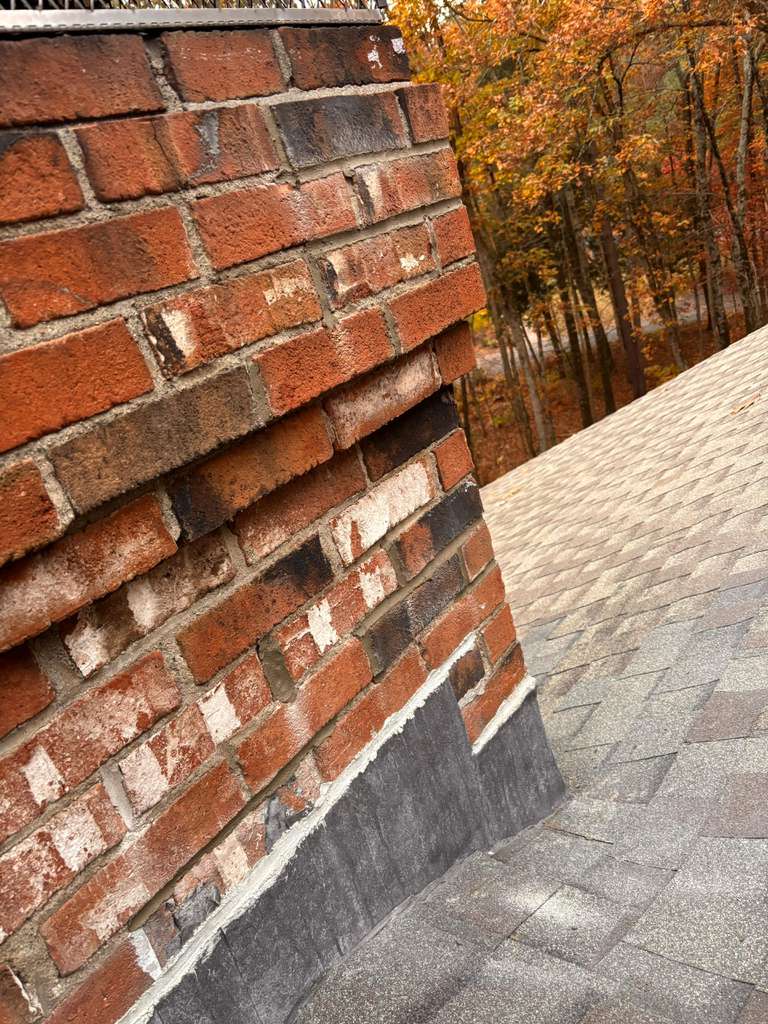
Discolored or Cracked Exterior Masonry Near the Chimney Crown
Bricks and mortar near the chimney top that have darkened, developed rust-colored staining, or show new cracking that was not present before are heat and moisture stress indicators. During a chimney fire, heat transfers outward through the masonry. In Ohio’s climate, where bricks and mortar are already under stress from freeze-thaw cycling, the added thermal stress of a chimney fire event accelerates deterioration and can make new cracking appear rapidly.
Unexplained Soot in the Attic Near the Chimney
One of the most definitive signs of a chimney fire is soot deposits or char marks found on attic framing adjacent to the chimney. This indicates that heat and combustion gases escaped the flue through a compromised liner or damaged masonry joint and entered the surrounding structure. Any attic soot near the chimney should be treated as a structural fire risk requiring immediate professional assessment.
What to Do If You Suspect a Chimney Fire Is Happening Right Now
The steps you take in the first minutes of an active chimney fire can prevent it from becoming a structure fire. Act quickly and in this order.
In an active chimney fire, people come first
Do not stop to gather belongings or fight the fire yourself. Your only job is to get everyone out and call for help.
- Get everyone out of the home immediately. Do not stop to gather belongings. People first, everything else second. As you leave, close interior doors between rooms, which limits oxygen supply and slows fire spread.
- Call 911 from outside the home, and do not re-enter. Even if the fire appears to slow or stop, call. Firefighters carry thermal imaging cameras that detect heat pockets inside walls and attic framing that are invisible to the naked eye. What looks contained may have already transferred heat to framing that is smoldering invisibly.
- If you can do so safely before evacuating, close the fireplace damper. Reducing the oxygen supply to the firebox limits the draft feeding the fire above. Do not throw water into an active fireplace; the sudden steam can cause burns and spread ash through the room.
- Do not use a suppressant or extinguisher unless trained. Only attempt it if you can do so without putting yourself at risk. Your primary obligation is to get out.
The Mandatory Step After Any Chimney Fire: Professional Inspection
This is not optional, and the CSIA is explicit about it: do not use your chimney until it has been professionally swept and evaluated. The reason is simple. Chimney fire damage, including cracked liners, displaced mortar joints, and metal fatigue, cannot be seen from the firebox opening or by looking down the chimney from the roof. It sits in the middle sections of the flue, and only a camera inspection can reveal it.
A post-fire Level 2 chimney inspection includes a camera scan of the entire flue interior, assessment of liner condition at every section, inspection of mortar joints throughout the masonry, evaluation of the damper, smoke shelf, and smoke chamber, and a written report with photos documenting all damage found.
The CSIA also notes that most chimney fire damage qualifies as a covered loss under standard homeowner’s insurance policies. Ask your chimney professional to document all damage with photos before cleaning begins. Those photos support your insurance claim and help your adjuster accurately assess the scope of repair. The national standard for chimney safety is set out in NFPA 211, and the U.S. Fire Administration tracks the toll these fires take each year.
A chimney that has experienced a fire and has not been professionally evaluated is a fire hazard the next time it is used, regardless of how normal the first few fires seem. The internal damage may not cause an immediate second event, but it will eventually, and under progressively more dangerous conditions.
Seen any of these signs, or suspect a past fire?
Our CSIA-certified technicians perform full camera inspections of the flue and document everything with photos, so you know exactly what your chimney looks like inside.
Prevention Is the Only Reliable Strategy
The most important thing this guide communicates is not what to do during a chimney fire. It is that chimney fires are preventable, and the prevention is straightforward.
Annual chimney cleaning by a CSIA-certified sweep removes creosote deposits before they progress to the stage at which they ignite. Annual inspection identifies structural problems such as cracked liners, damaged crowns, and missing caps that create the conditions for chimney fire before those conditions become an emergency. Burning only properly seasoned hardwood with moisture content below 20% dramatically reduces creosote accumulation between cleanings.
For homeowners throughout Northeast Ohio who use their fireplaces regularly from October through March, these are not optional precautions. They are the basic maintenance that keeps a heavily used chimney system safe through a long, demanding heating season. If your chimney has not been professionally inspected and cleaned this season, or if you’ve noticed any of the warning signs described in this article, do not wait for a fire to tell you something is wrong.
A chimney fire that goes uninspected is not a fire you survived. It is a fire that is waiting to happen again, under worse conditions.
Frequently Asked Questions
What does a chimney fire sound like?
An active chimney fire often produces a deep, powerful roaring from inside the chimney, frequently described as a freight train passing overhead or the low rumble of a jet engine. You may also hear sharp cracking or popping sounds, similar to gunshots, as clay tile liners fracture under thermal shock. If you hear these sounds, treat it as an emergency and get everyone out of the home.
Can you have a chimney fire and not know it?
Yes. Many chimney fires burn slowly at lower temperatures, with no roaring, no visible flames, and no obvious cues. These slow fires still crack liners, displace mortar, and damage metal components. The damage sits in the middle and upper flue, invisible from the firebox, which is why a professional camera inspection is the only reliable way to confirm one occurred.
What should I do during a chimney fire?
Get everyone out of the home immediately and close interior doors as you go. Call 911 from outside and do not re-enter, even if the fire seems to slow. If you can do so safely before leaving, close the fireplace damper to limit oxygen to the fire. Do not throw water into the fireplace. Your primary obligation is to get out.
Do I need an inspection after a chimney fire?
Yes. The CSIA is explicit that you should not use your chimney until it has been professionally swept and evaluated. A post-fire Level 2 inspection includes a full camera scan of the flue, because cracked liners and displaced mortar joints cannot be seen from the firebox. Most chimney fire damage also qualifies as a covered loss under standard homeowner’s insurance.