CSIA-Certified Chimney Sweeps · Rotary Brush System · HEPA Vacuum · Zero Mess Guaranteed
Every fire you light deposits creosote, a dark, tar-like, highly flammable byproduct, inside your chimney flue. The first fire of the season leaves a thin dusting. The fiftieth fire of winter layers it thicker. By the end of a full Ohio heating season, a regularly used wood-burning fireplace can accumulate creosote deposits thick enough to pose a serious chimney fire risk, and the buildup is entirely invisible from the firebox opening.
Creosote is not the only hazard a dirty chimney carries. Animal nests and debris block draft performance and trap carbon monoxide inside the home. Soot and fine particulates circulate through living spaces and aggravate respiratory conditions. A flue that has not been cleaned in over a year is a flue that may not be performing safely, regardless of how normal the fireplace appears to operate.
Annual chimney cleaning is the single most effective maintenance step a Canton homeowner can take. Oaktree Chimney Solutions provides professional cleaning and sweeping throughout Canton, North Canton, Jackson Township, Massillon, Perry Township, Plain Township, and all of Stark County, performed by CSIA-certified technicians using professional rotary brush systems and HEPA-filtered vacuum equipment that leaves your home completely clean.
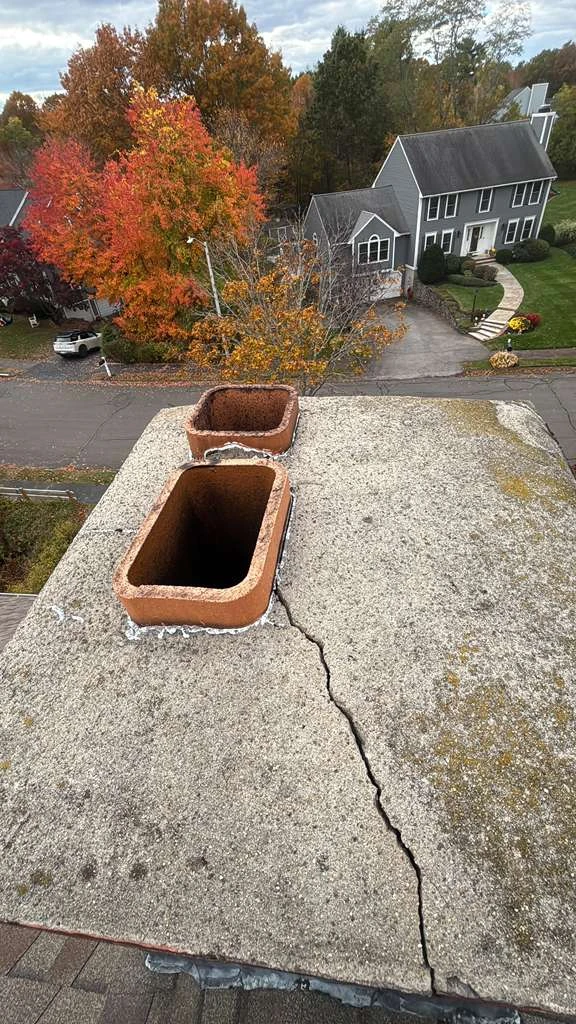
Every Fireplace Type
Wood-burning fireplaces, gas fireplaces, wood stoves, and inserts each have different cleaning requirements. Our technicians are trained and equipped for all of them.
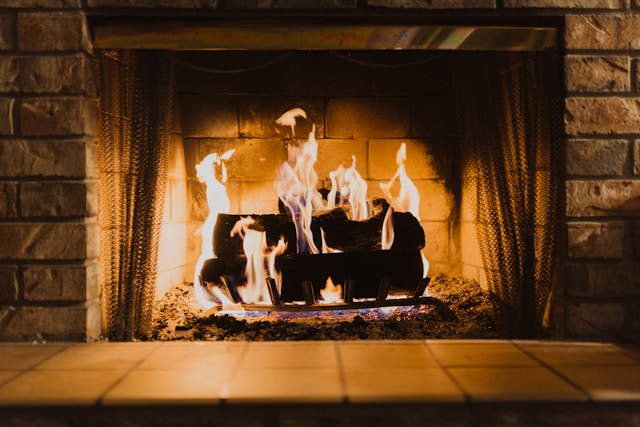
The highest creosote accumulation of any residential appliance. Annual cleaning is the minimum; homeowners who burn more than three times per week, use the fireplace as a primary heat source, or burn softwood like pine should consider every half-season. Our rotary system is especially effective on Stage 2 deposits. If Stage 3 glazed creosote is found, we identify it, halt the standard process, and explain the PCR chemical treatment required first.
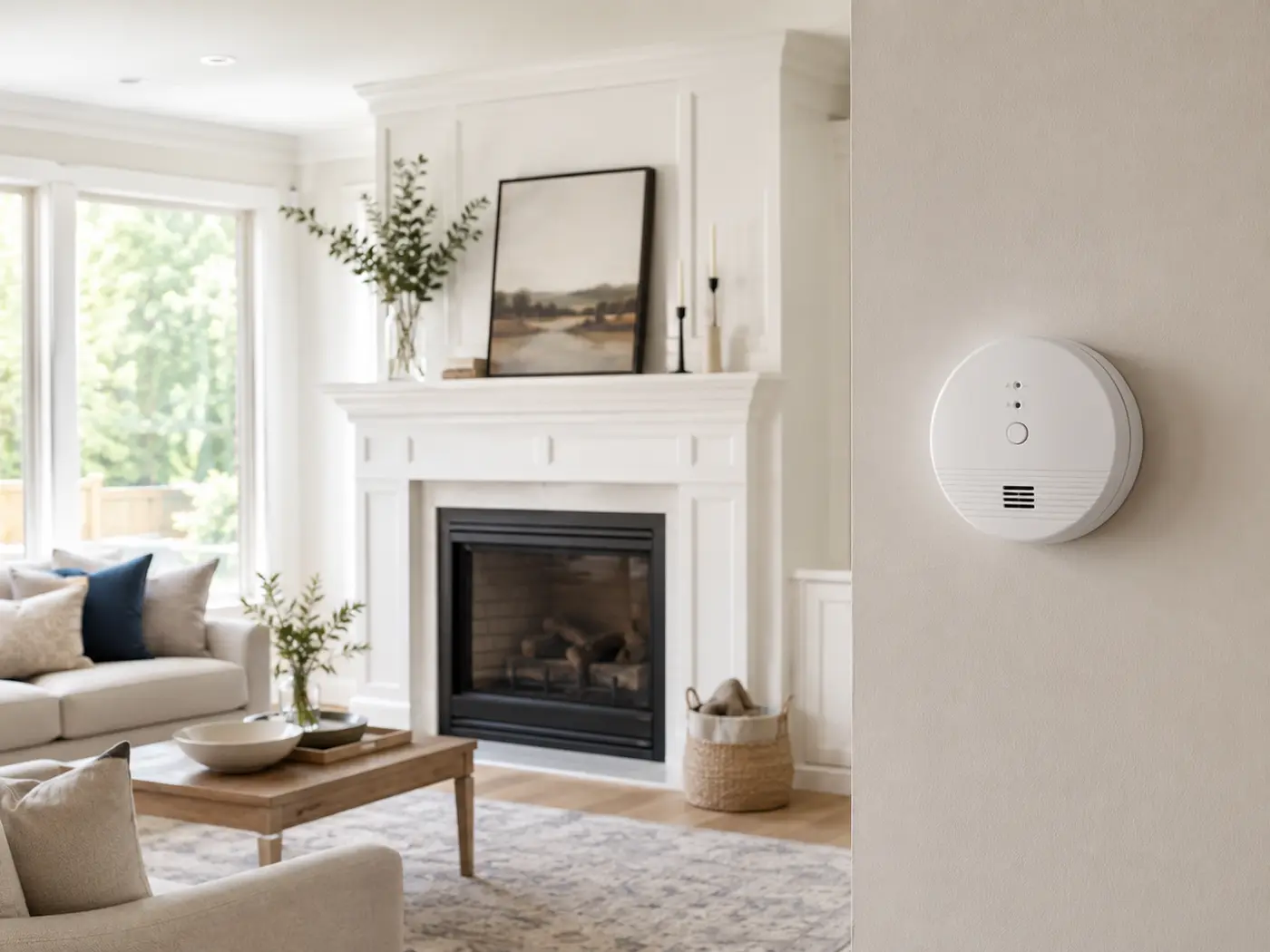
Gas units produce far less creosote, but still require annual cleaning. Gas combustion produces moisture and acidic byproducts that accumulate on flue walls and accelerate liner deterioration, and debris or animal nesting can block gas flues over the off-season, creating CO risk at fall startup. Annual cleaning clears the flue, verifies the venting is unobstructed, and checks the cap, liner, and flashing.

Freestanding stoves and inserts connect through a stovepipe and liner that accumulate creosote at a high rate and require annual cleaning of both the connector and the full flue. Insert cleaning also involves pulling the insert to access and clean the liner behind it, a service requiring the proper equipment and certification to perform correctly and safely.
Why It Matters
Ohio’s heating season runs hard from October through March, six months of regular fireplace use that produce more creosote accumulation than most homeowners realize. Couple that with the humidity of Northeast Ohio summers, which reactivates dormant creosote odors and accelerates masonry moisture damage, and the case for annual professional cleaning becomes clear.
The National Fire Protection Association (NFPA 211) recommends annual cleaning for all chimneys, fireplaces, and venting systems. The CSIA specifies that cleaning should occur whenever creosote buildup reaches 1/8 inch thickness, or immediately when any Stage 3 glazed creosote is present, regardless of depth.
For most Canton homeowners burning wood regularly from October through March, that threshold is reached well within a single heating season. For homeowners burning softwoods, using their fireplace as a primary heat source, or running slow smoldering fires overnight, accumulation can occur even faster. Annual cleaning before the heating season, ideally scheduled in September or October, is the standard that keeps creosote at Stage 1 levels, prevents blockages from forming, and ensures your chimney enters the season in safe, fully operational condition.
Testimonials
Don’t just take our word for it. Here’s what homeowners throughout the Akron area have to say about their experience with Oaktree.
The Risks
The consequences compound with every season they go unaddressed. Understanding what builds up, and what it does, makes the case concrete.
Creosote begins as light, dusty soot (Stage 1), hardens into tar-like Stage 2 flakes, then bakes into dense, glazed Stage 3 that ignites at normal fire temperatures. Per the CSIA, creosote buildup is the leading cause of the nearly 25,000 chimney fires in American homes each year, with Stage 3 fires exceeding 2,000°F. Annual cleaning removes Stage 1 and 2 before they progress, far cheaper than Stage 3 treatment or post-fire repairs.
A chimney blocked by creosote, nesting, or debris cannot vent combustion gases, including carbon monoxide, out of the home. Per the CDC, more than 400 Americans die annually from unintentional CO poisoning not related to house fires. Low-level chronic exposure causes headaches, fatigue, nausea, and mental fog, often misdiagnosed as seasonal illness. Cleaning removes the blockages that safe venting requires.
Soot, ash, and fine particulates in an uncleaned flue don’t simply stay inside the chimney. Draft reversals, pressure changes, and disturbed deposits allow soot to enter the living space, aggravating asthma, triggering allergic reactions, and reducing indoor air quality. A persistent dusty smell, increased allergy symptoms, or soot around the fireplace opening often signal a flue that needs cleaning.
A clean, unobstructed flue produces strong, consistent draft, the upward airflow that carries gases out and draws fresh air into the firebox. As creosote narrows the flue, draft degrades: fires are harder to start, smoke more, and burn less efficiently, so homeowners burn more wood for the same heat. Regular cleaning restores full draft and intended efficiency.
A complete CSIA-certified cleaning follows a systematic process from firebox to chimney cap, and leaves your home exactly as clean as it was before we arrived.
Before any cleaning begins, our technician lays protective drop cloths across the hearth, fireplace surround, and adjacent flooring. The HEPA-filtered vacuum is positioned and connected to the firebox opening to capture particulates continuously. Nothing enters your living space.
The technician performs a visual assessment of the firebox, damper, smoke shelf, and visible flue sections. This establishes the baseline condition and identifies any conditions, such as Stage 3 deposits, physical obstructions, or structural damage, that require special attention or documentation before cleaning begins.
We use a professional rotary brush system, a polypropylene brush driven by a drill, to clean the full length of the liner. Unlike push-rod hand brushes that simply dislodge loose material, rotary systems spin at high speed against the flue walls, breaking apart Stage 1 and Stage 2 deposits at every point. The brush is sized to your flue diameter for full-contact cleaning, and the HEPA vacuum captures everything as it falls.
The smoke chamber, the funnel-shaped space between the firebox and the flue, collects harder, more glazed creosote due to combustion turbulence. Standard flue brushes do not reach it adequately. We use a specialized smoke chamber brush to clean this critical area that standard equipment misses, improving draft and reducing re-ignition risk and smoke rollback.
The smoke shelf sits directly behind the damper and catches falling debris, rain, animal material, and creosote drips. Without regular cleaning it accumulates a deep layer that restricts draft, produces odors in warm humid weather, and provides nesting material. We remove all of it on every visit.
Every cleaning concludes with a written condition report documenting the creosote stage and deposit volume, any structural findings, the condition of the cap, crown, and damper, and any recommendations. You receive a clear picture of your chimney's condition, not just confirmation it was cleaned.
Warning Signs
Don’t wait for the annual schedule if your chimney shows these signs. Each one should be addressed before the next fire.
A persistent smoky or tar-like smell, particularly during warm weather or after rain, is one of the most reliable signs of heavy creosote accumulation. Creosote absorbs into the liner and reactivates in heat and humidity. If your fireplace smells like a campfire in July, it needs cleaning before October.
Smoke rolling back into the room indicates reduced draft from flue restriction, most commonly creosote buildup narrowing the opening, a debris blockage, or animal nesting. Do not continue using the fireplace until the cause is identified and addressed.
Any glossy, shiny, or tar-like material on the damper, smoke shelf, or lower firebox walls means Stage 2 or Stage 3 creosote from higher in the flue has dripped or fallen. It is physical evidence that heavy deposits are present above the firebox where you cannot see them.
A fire that won’t draw properly, produces excessive smoke from the start, or needs constant adjustment is operating against a restricted flue. Restricted draft from creosote or debris accumulation is the most common cause.
NFPA 211 is unambiguous: annual cleaning is the minimum standard. If your last professional cleaning was more than 12 months ago and you have used the fireplace since, schedule a cleaning before the next use.
There is no shortage of chimney cleaning options in Stark County. Here is what distinguishes Oaktree.
Every cleaning is performed or directly supervised by a CSIA-certified chimney sweep, the industry's highest professional credential, requiring demonstrated knowledge of NFPA 211 standards, creosote staging, and proper procedures. The technician who cleans your chimney is certified, not just trained.
We use a professional rotary brush driven by a drill, not the outdated push-rod hand brush method many services still use. Rotary cleaning breaks apart Stage 2 deposits hand brushes cannot, cleans the smoke chamber push rods don't reach, and produces a more complete cleaning every visit.
Our HEPA vacuum captures 99.97% of airborne particulates down to 0.3 microns, continuously, throughout the cleaning. Drop cloths cover the hearth and flooring. Your home looks exactly the same when we leave. Zero mess is what HEPA technology actually delivers when used correctly.
If your chimney needs only a standard annual cleaning, that is what we tell you and what you pay for. We don't recommend extra work unless the cleaning reveals a genuine condition, and when we do, we show you why with photos and a clear written explanation.
You don't just get a clean chimney, you get documented confirmation of what was found and cleaned: creosote stage, deposit volume, structural observations, and recommendations. Yours to keep for insurance records, future comparisons, and peace of mind.
Every chimney tells a story. From complete masonry rebuilds on historic Canton homes to modern gas fireplace installations in Jackson Township, Oaktree Chimney Solutions has helped hundreds of Stark County homeowners protect their properties and improve their living spaces. Here are a few examples of the chimney and fireplace work we’ve completed throughout the Canton area.
Annual cleaning is the single most effective step to prevent chimney fires, protect your indoor air, and keep your fireplace drawing safely all season. Oaktree serves Canton and all of Stark County with CSIA-certified sweeps, rotary cleaning, HEPA vacuum, and a written report every visit. Call us or schedule online, and we’ll arrive ready to leave your chimney clean and your home spotless.
FAQs
A standard cleaning of a wood-burning fireplace flue takes approximately 45 to 60 minutes. Cleaning that includes smoke chamber work, insert removal, or multiple appliances may take longer. We arrive with all equipment and complete the cleaning in a single visit.
Not with professional equipment. Our HEPA-filtered vacuum captures particulates continuously, and protective drop cloths cover all adjacent surfaces. When we leave, your home is completely clean. Mess is a symptom of inadequate equipment, not of chimney cleaning itself.
DIY brushes address only Stage 1 surface deposits in the lower flue you can reach. They don’t clean the smoke chamber, upper flue, or smoke shelf, don’t assess creosote stage or structural conditions, and don’t use a HEPA vacuum, so dislodged soot enters your living space. Professional cleaning with rotary equipment and HEPA filtration delivers a genuinely clean chimney, not just a swept firebox.
Yes. Gas fireplaces still produce combustion moisture and acidic residue that accumulate on flue walls, and their flues are as vulnerable to animal nesting and debris blockage as any other chimney. Annual cleaning and inspection of a gas venting system is recommended by the CSIA and required under NFPA 211.
The ideal window is September or early October, after the off-season during which animal nesting and weather exposure may have affected the flue, and before the first fires of the heating season. Scheduling in fall means your chimney enters the heaviest use period in clean, verified condition.
We stop the standard cleaning, show you the condition with photos, and explain what Stage 3 treatment involves, specifically the PCR (Poultice Creosote Remover) chemical treatment required before mechanical removal can proceed. We provide a clear written estimate before any additional work is authorized. Stage 3 creosote cannot be safely removed with standard brushes and is not included in standard cleaning pricing.
Yes. Insert cleaning requires removing the insert from the fireplace to access and clean the liner behind it, a service that requires specific equipment and certification. We clean all major insert configurations and provide the full flue and smoke chamber cleaning that insert systems require.
We serve homeowners throughout Stark County including North Canton, Jackson Township, Massillon, Perry Township, Plain Township, Louisville, Alliance, Hartville, Uniontown, and surrounding communities. Call (330) 771-9394 to confirm availability in your area, or see all our Canton chimney services.
Service Areas
Primary Stark County Service Area


