What’s inside your chimney matters as much as the brickwork outside. We assess damaged or unsuitable flue liners and recommend a lining system matched to your fireplace or heating appliance.
Proudly serving Akron homeowners.
Understand the existing flue.
Material, sizing and compatibility.
Know what the proposal includes.
Know when to take a closer look
Age alone does not decide whether a chimney needs relining. Its condition, construction and connected appliance all matter. A closer inspection helps separate a liner problem from other chimney concerns.
Learn what’s involved in a professional chimney inspection.
Tile fragments, damaged sections or gaps may indicate deterioration inside the flue. Inspection establishes the extent of the problem.
Changing equipment can change the required flue size and material. The previous venting arrangement may no longer be suitable.
Have the chimney assessed before reuse. The outside appearance cannot reveal the full condition of the liner.
Poor draft and condensation have several possible causes. Diagnose the source before committing to liner replacement.
An older chimney may lack a continuous, appropriate lining system. Arrange an assessment before using the connected appliance.
The right fit matters
A liner forms the passage for combustion gases. Its specification depends on the fuel, appliance instructions, chimney dimensions, clearances and insulation requirements.
Commonly used for relining masonry chimneys. The grade and listed system must be suitable for the connected appliance and fuel.
Cracked tiles and failed joints require assessment. The extent of damage and access help determine whether repair or relining is appropriate.
Some equipment needs a dedicated approved venting system. A conventional chimney liner is not the right solution for every appliance.
For homeowner guidance, explore CSIA’s chimney and venting resources ↗.
Real Oak Tree work
Most relining jobs follow the same story: a damaged or missing liner found on inspection, the new liner pulled into place, and a correctly sized flue at the end. Representative photos from Oak Tree jobs.
Photos are representative of Oak Tree workmanship — each job’s scope depends on what the assessment finds.
From inspection to installation
We explain the findings and proposed lining system before installation, including related work that may be needed.
Review the chimney, connected appliance and flue condition. Camera examination may be needed.
Identify the proposed liner and distinguish installation from any additional repair work.
Address deposits, obstructions or components that affect access and installation.
Fit the specified system, connections, supports and insulation where required.
Discuss the completed installation, maintenance and any restrictions before use.
Similar-looking chimneys can need very different preparation and materials. An assessment gives us the information needed for a meaningful estimate.
Ask for an itemized proposal. It should explain the lining system, installation scope and any cleaning, masonry or connection work priced separately.
A change worth checking
A new furnace may vent separately while an older water heater remains connected to the masonry chimney. The remaining appliance may need a different venting arrangement.
Tell us about recent or planned equipment changes so chimney work can be coordinated with your HVAC installer where necessary.
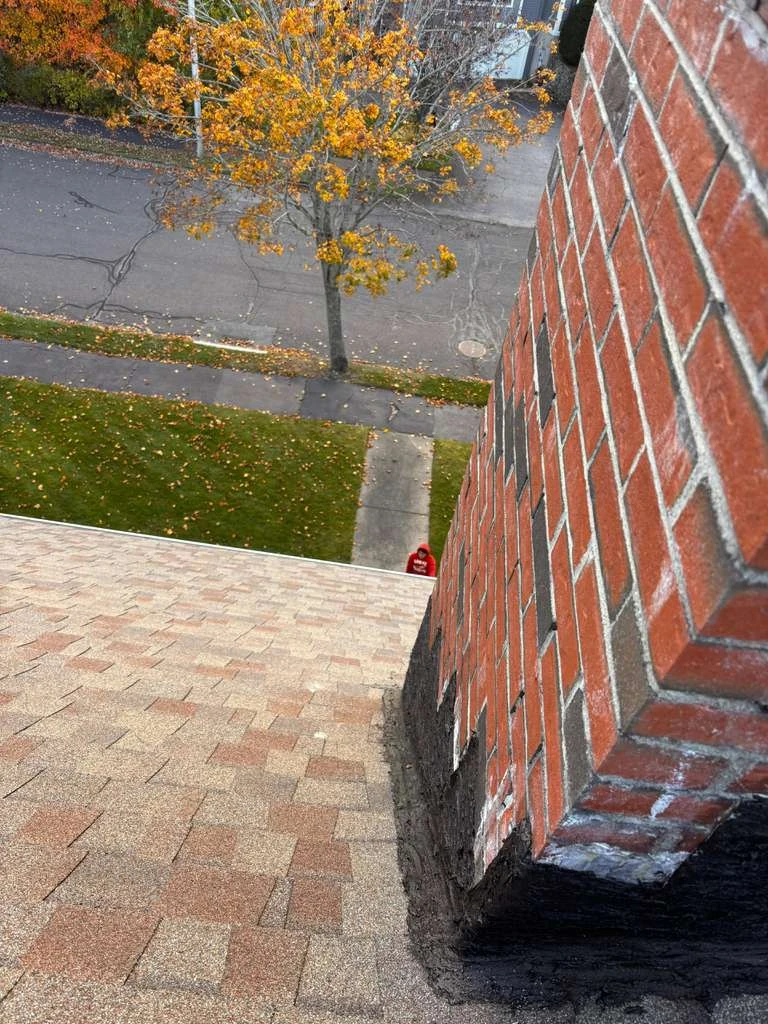
Cracked crowns, failed flashing and deteriorating mortar need their own assessment. Relining addresses the venting passage; exterior defects may require separate repairs.
Cleaning alone also cannot repair a damaged liner. Learn about chimney sweeping and preparation before installation.
Before you book
An inspection establishes the condition of the flue. Tile fragments, damaged sections or appliance changes may justify closer examination. A replacement recommendation should explain the findings and why relining is appropriate.
Often, an existing masonry chimney can be relined. Suitability depends on its structure, available space, required flue dimensions and installation requirements. Preparation or repairs may be needed first.
There is no universal answer. Stainless steel is commonly used for relining; clay tile is common in existing masonry systems. The appliance, fuel, condition and practical installation options guide the choice.
Some installations require insulation to meet the system’s listing and clearance requirements. It can also affect performance. Follow the selected lining system’s instructions and the conditions of the chimney.
If an unsafe liner has been identified or you suspect significant damage, stop using the connected appliance until a qualified professional has assessed it and explained the requirements for reuse.
It may help when liner condition or sizing is the cause. Smoke issues can also involve blockages, dampers, appliance operation or pressure differences. Diagnose the cause before choosing the repair.
Testimonials
Don’t just take our word for it. Here’s what homeowners throughout the Akron area have to say about their experience with Oaktree.
Concerned about a damaged liner or planning an appliance upgrade? Arrange an assessment with Oak Tree Chimney Solutions.
Local care. A clear next step. Proudly serving Akron and nearby communities including Cuyahoga Falls, Stow and Hudson. Contact us to confirm project availability at your address.


