A chimney expert’s walkthrough of where rain gets in, how to find the real entry point, and which repairs actually last in Northeast Ohio.
The short answer
During a chimney inspection, a technician examines the accessible parts of your fireplace, chimney, and venting system for deposits, obstructions, deterioration, and installation concerns. The inspection’s scope determines which areas are examined and whether an internal camera scan or access to concealed components is needed.
The appointment usually begins with questions about how you use the system and any problems you have noticed. After examining the relevant components, the technician explains the findings and recommends cleaning, repairs, or further investigation where appropriate.
For Akron homeowners, an inspection is useful both for routine maintenance and for investigating smoke, leaks, odors, or an unfamiliar fireplace in a recently purchased home.
What does a chimney inspector check?
The technician checks the components relevant to your system and inspection level. An open masonry fireplace, a wood stove, and a factory-built fireplace do not have identical parts or inspection requirements.
| Area or component | What the inspection may evaluate |
|---|---|
| Firebox | Visible cracks, deterioration, and damaged components |
| Damper | Condition and operation, where present |
| Smoke chamber | Accessible condition, deposits, and visible defects |
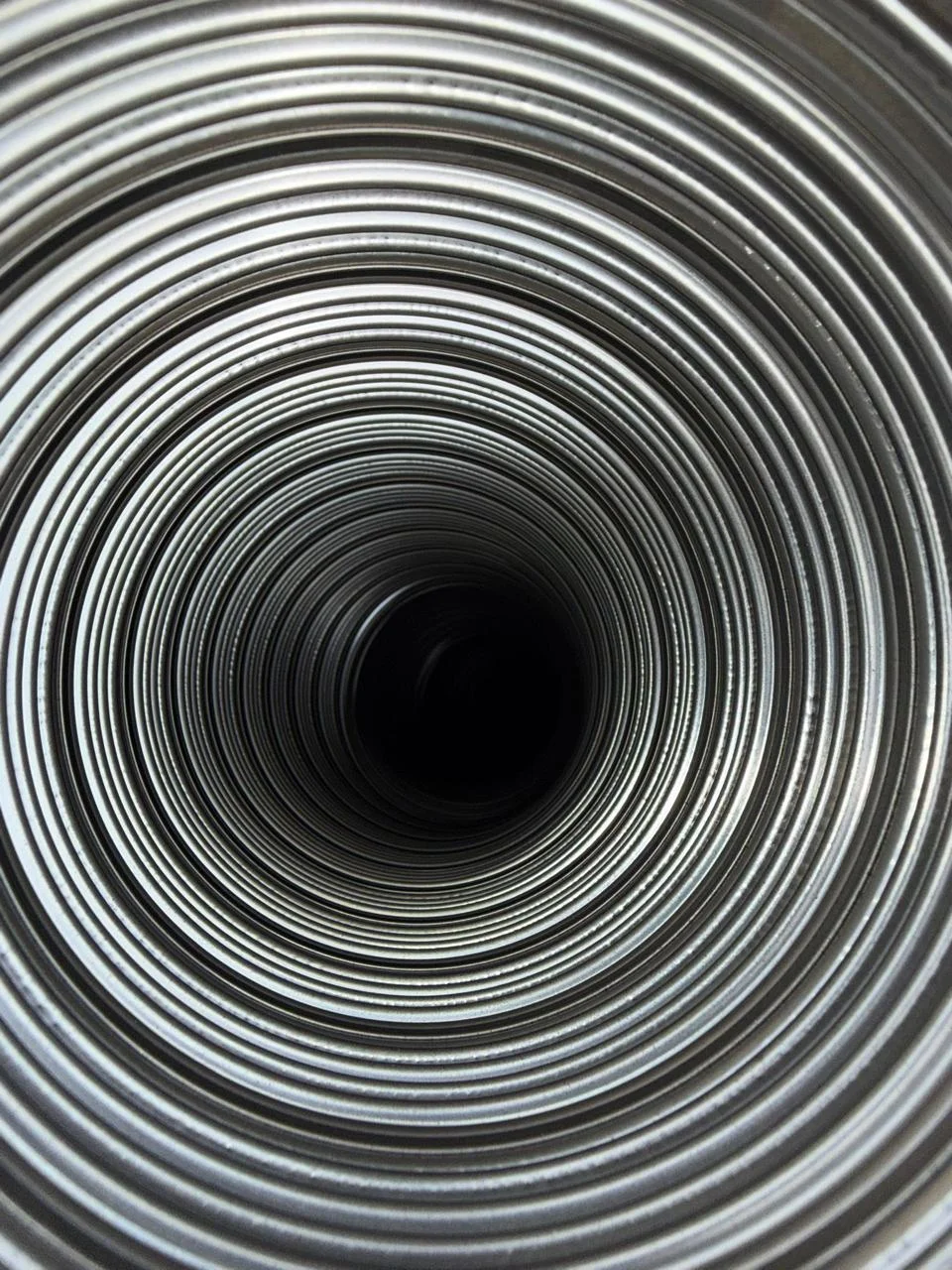
| Flue and liner | Accessible surfaces, deposits, obstructions, and signs of damage |
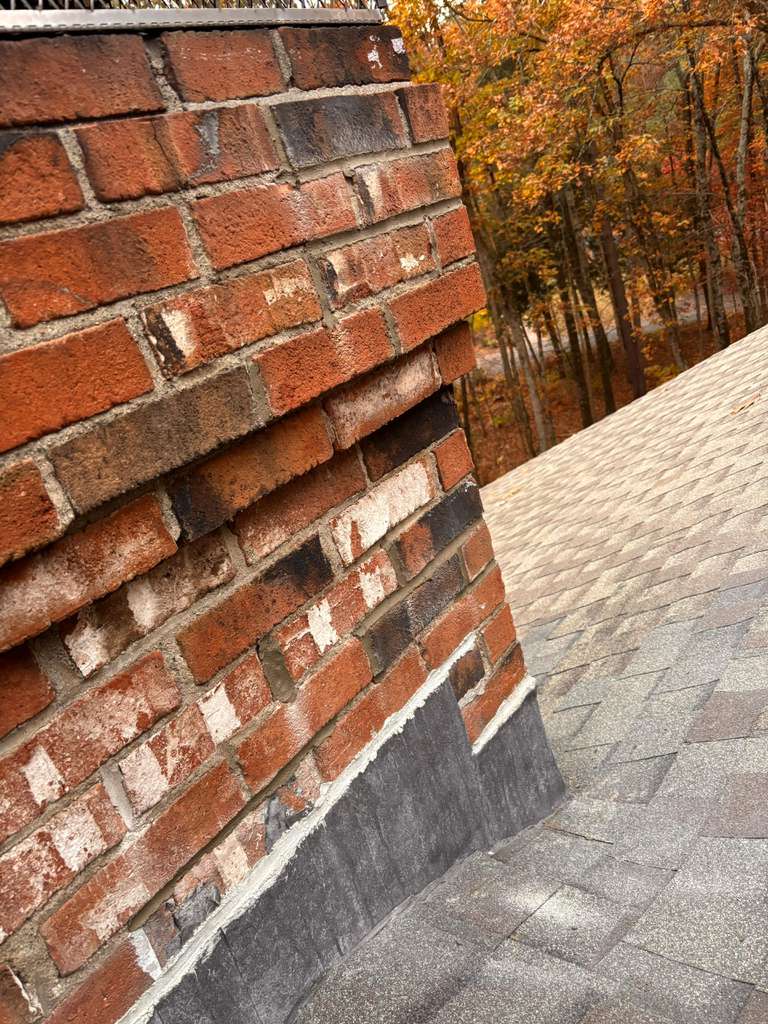
| Chimney exterior | Visible masonry deterioration and structural concerns |
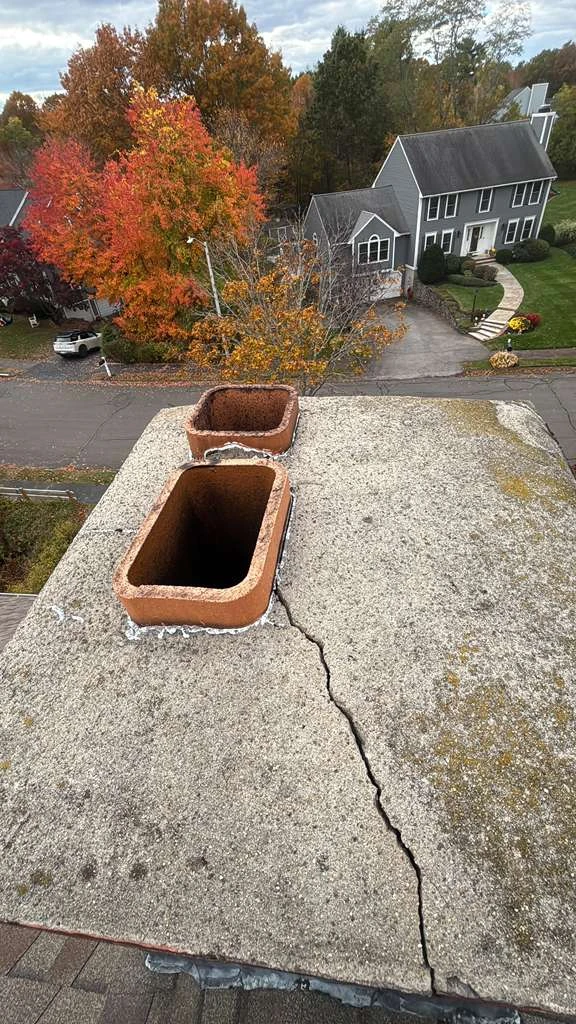
| Crown or chase cover | Condition and potential water-entry points |
| Cap or termination | Condition, fit, and visible obstruction |
| Flashing and roof connection | Visible defects or evidence of moisture entry |
| Appliance connections | Accessible connections and suitability for the system |
| Surrounding accessible spaces | Relevant clearances and installation conditions within the inspection scope |
Not every component can be fully examined from one position. Ask which areas will be accessible and whether additional examination is needed.
Step 1: Discuss your fireplace and service history
The inspection starts with understanding the system and why you booked. Your observations help direct attention to the right areas.
Tell the technician:
- Whether you burn wood, use gas, or operate another appliance.
- How frequently you use the system.
- When it was last inspected or cleaned.
- Whether you have noticed smoke, odors, water, or falling debris.
- Whether the appliance or venting has changed.
- Whether there has been a suspected chimney fire or other damage.
If the problem occurs only under certain conditions, explain those conditions. For example, water after wind-driven rain and smoke during startup are different concerns.
When arranging a chimney inspection in Akron, share these details before the appointment so the appropriate scope can be discussed.
Step 2: Examine the relevant interior and exterior areas
The technician examines the accessible components covered by the inspection. Depending on the system, this may include the fireplace opening, appliance connection, chimney exterior, and other accessible spaces.
For a masonry chimney, visible cracks, open joints, damaged bricks, and moisture staining may need attention. For a factory-built system, the manufacturer’s requirements are important when evaluating the installation and components.
Roof access depends on the inspection requirements and conditions. Snow, ice, or unsafe access may limit exterior work. Any limitations should be explained rather than leaving you to assume an area was inspected.
Step 3: Assess deposits and look for obstructions
The technician evaluates whether deposits or obstructions require cleaning or further work.
An inspection and a cleaning are different services. Inspection identifies conditions; cleaning removes deposits and debris. They may be combined in one appointment, but you should confirm that when booking.
If deposits prevent an adequate examination, cleaning may be needed before parts of the system can be properly assessed. Your estimate should explain how that additional work will be handled.
Step 4: Use a camera when the inspection calls for it
A Level 2 inspection includes a video scan or equivalent examination of the internal flue surfaces and joints. This provides a closer view of areas that cannot be adequately evaluated from the fireplace opening alone.
A camera can help document visible cracks, gaps, deterioration, and deposits. However, it does not reveal every concealed part of the chimney or replace the rest of the inspection.
Ask whether a camera examination is included in your appointment and how its findings will be documented.
What is the difference between Level 1, Level 2, and Level 3 inspections?
Inspection levels describe the scope of examination. They are not interchangeable packages, and the appropriate level depends on the system’s history, changes, and suspected problems.
Level 1: Routine assessment of an unchanged system
A Level 1 inspection generally applies when the system remains unchanged and will continue to be used under the same conditions.
It examines readily accessible portions of the chimney, appliance, and connection. The technician looks for basic soundness, deposits, and obstructions within that scope.
Level 2: A more extensive examination
A Level 2 inspection includes the Level 1 scope plus additional accessible areas and an internal video scan or equivalent examination.
It is appropriate in circumstances such as a property transfer, certain appliance or venting changes, or an event that may have damaged the chimney.
If you recently bought an Akron home, explain that when booking. A general home inspection should not be assumed to include a dedicated Level 2 chimney inspection.
Level 3: Accessing concealed areas when necessary
A Level 3 inspection is used when suspected hazards cannot be adequately evaluated through Level 1 or Level 2 examination.
It may require opening or removing specific components to access concealed areas. It is not a routine annual service. The reason, access requirements, and potential disturbance should be explained beforehand.
How long does a chimney inspection take?
The time depends on the inspection level, number of flues, accessibility, and findings. A single unchanged system is a different appointment from a multi-flue property or an investigation involving concealed damage.
Cleaning performed during the same visit can also add time. Ask for an appointment window based on your actual system rather than relying on a universal time estimate.
How should you prepare for the appointment?
A little preparation helps the technician access the work area and understand your concerns.
| Before the visit | Why it helps |
|---|---|
| Follow the company’s instructions about stopping fireplace use | The system must be sufficiently cool for the work |
| Move decorations and belongings away from the hearth | Provides clear access and protects your possessions |
| Keep children and pets away from the work area | Allows the technician to work without interruption |
| Gather previous service reports | Provides maintenance and repair history |
| Note when problems occur | Helps investigate intermittent symptoms |
| Provide appliance details where available | Supports evaluation against manufacturer requirements |
| Discuss access to relevant rooms or spaces | Helps avoid unexpected access limitations |
Do not climb onto the roof or dismantle fireplace components before the appointment.
Will you receive a report?
You should understand what was examined, what was found, and what remains uncertain. Ask about the report and photo documentation when booking.
Oak Tree’s published inspection service describes written findings and recommendations. A useful report should distinguish observed defects from areas requiring additional investigation.
After the visit, make sure you understand:
- Which system and inspection level the report covers.
- Any access limitations.
- Whether cleaning is recommended.
- Which concerns require repair or further assessment.
- Whether the system should remain unused.
- What the recommended next steps involve.
Keep the report for future maintenance and to share with any contractor evaluating the findings.
What if the inspection finds a problem?
A finding should lead to an explanation, not an unexplained repair recommendation.
For example, soot deposits may call for chimney cleaning and sweeping, while deteriorated masonry may require a separate chimney repair assessment.
Ask the technician to identify the affected area, explain the concern, and describe the proposed work. Where appropriate, request photographs or camera images.
Do not continue using a system that the inspection identifies as unsuitable for use. Follow the stated recommendations and clarify anything you do not understand.
When should Akron homeowners arrange an inspection?
Arrange an inspection at least annually, and sooner when a change or problem warrants it. The Chimney Safety Institute of America recommends annual checks, with cleaning and repairs when needed.
For routine planning, scheduling after regular winter use gives you time to address findings before the next heating season. However, smoke entering the room, an active leak, or suspected damage should not wait for a seasonal appointment.
A long-unused fireplace also deserves assessment before you return it to service.
Frequently asked questions
Does every chimney inspection include cleaning?
No. Some appointments combine both services, but inspection and cleaning serve different purposes. Confirm what your quote includes before booking.
Does every inspection include a camera scan?
No. A video scan or equivalent internal examination is part of a Level 2 inspection. Ask which level and examination methods your appointment includes.
Can a chimney be inspected without going on the roof?
Some areas can be examined from inside the home or other accessible positions. Whether roof access is needed depends on the scope and system. Ask the technician to document any areas that could not be evaluated.
Do gas fireplaces need inspection?
Gas appliances and their venting systems need appropriate assessment and maintenance. Explain the appliance type when arranging fireplace service so the appointment matches your equipment.
Is an inspection necessary if the fireplace looks fine?
Yes. Appearance from the room does not establish the condition of the flue or other less-visible components. Annual inspection is recommended even when you have not noticed a problem.
Does an inspection guarantee there are no hidden defects?
No inspection can establish the condition of every concealed area without the necessary access. The report should explain the scope, limitations, and any need for further investigation.
Schedule a chimney inspection in Akron
Whether you are maintaining a familiar fireplace, investigating a problem, or preparing to use a chimney in a newly purchased home, explain your situation when booking.
Call Oak Tree Chimney Solutions at (330) 771-9394 or request an inspection appointment to discuss the appropriate service for your home.